


US Expands Visa Bond Requirement, Bangladesh Added to List
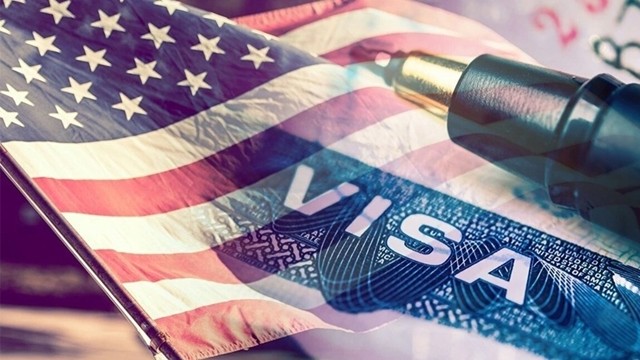
The United States has expanded the list of countries whose citizens may be required to pay a “visa bond” of up to 15,000 US dollars when applying to enter the country. Under a move by the Trump administration, the number of countries subject to this condition has nearly tripled.
Less than a week after adding seven countries to the visa bond list, the US Department of State on Tuesday (January 6) included Bangladesh along with several other nations. The information was published on the travel section of the State Department’s official website.
According to the updated notice, the visa bond requirement for Bangladeshi citizens will come into effect on January 21. The maximum bond amount has been set at 15,000 US dollars, which is approximately BDT 1.835 million based on an exchange rate of BDT 122.31 per dollar.
The State Department clarified that even if an applicant is otherwise eligible for a visa, a consular officer may impose the visa bond requirement at their discretion. The bond amount will be determined in three tiers—5,000, 10,000, or 15,000 US dollars. The final amount will depend on the applicant’s personal circumstances and the outcome of the visa interview.
A visa bond is a form of refundable financial guarantee. Some countries require such a bond from certain foreign nationals before issuing temporary visas, mainly to ensure compliance with visa conditions, particularly the length of stay.
Every year, the United States issues temporary non-immigrant visas to thousands of foreign students, tourists, and workers. These visas are valid for periods ranging from a few weeks to several years. If a non-immigrant visa holder remains in the US beyond the authorized period, it is considered a visa overstay.
While most countries require proof of sufficient funds for visa applications, very few have implemented a refundable bond system. In the past, New Zealand introduced a visa bond to control overstays but later discontinued it. The United Kingdom also proposed a similar measure in 2013 for travelers from certain “high-risk” countries, which was eventually withdrawn.




Please share your comment: